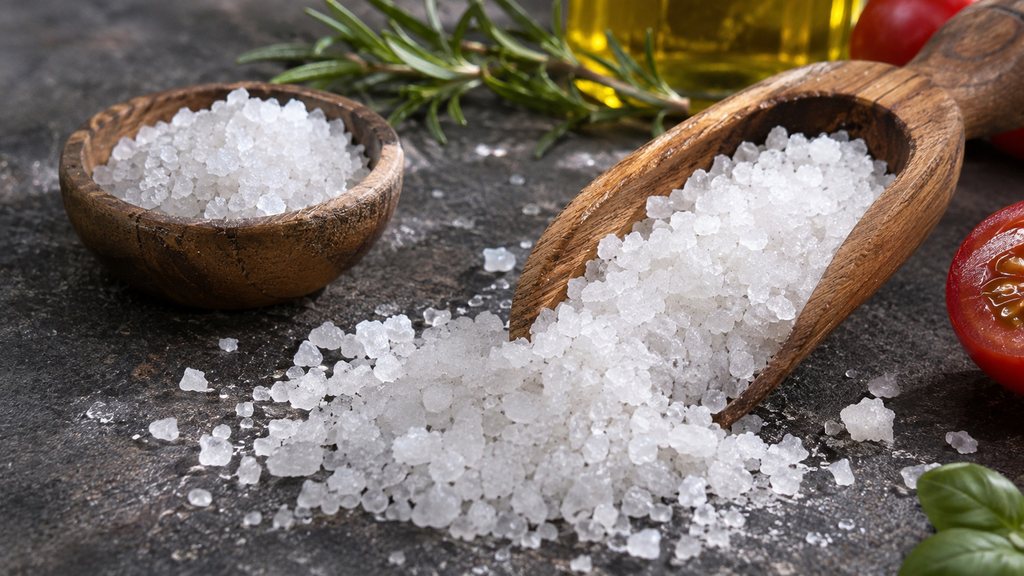
Food-Grade SaltOven-Dried Food Salt
Oven-dried food salt is produced by drying suitably prepared salt and is chosen in food production according to recipe and process needs. Güler Tuz assesses iodised and non-iodised options and different grain grades on request. The choice depends on the process, the technical specification and the food regulations of the target market.
Iodised and Non-Iodised Oven-Dried Salt
Grain Grades
Oven-dried salt can be prepared in different commercial grain grades depending on the application. The grade is chosen with dissolution behaviour, dosing, mixing and process requirements in mind.
- Grade No. 0
- Grade No. 1
- Grade No. 2
- Grade No. 3
- Grade No. 4
The numbers are commercial grade names, not millimetre values. The sieve distribution, availability and suitability of the grade you need are confirmed with a current sieve analysis at the quotation stage.
What Oven Drying Provides
Drying helps reduce the free moisture in salt. A drier product can make flow, metered feeding and mixing easier under suitable storage conditions. Results depend on the grain grade, equipment, packaging and ambient conditions. Drying alone does not provide chemical purity, vacuum salt (PDV) quality or compliance with a particular standard.
Food Processing Salt and Regulations
Salt used in food manufacturing is assessed separately from table salt sold to consumers and may be iodised or non-iodised. Packaging, labelling and iodine declarations are checked against the destination country's regulations and batch documents; technical information and documents are shared on request.
Applications
- Cheese and dairyFor salting recipes and, where suitable, preparing brine.
- Olives, pickles and brinesWith a grade chosen for the dissolving method and product specification.
- Nuts and snacksFor surface application or salting on the production line.
- Tomato paste and tomato productsIn mixing and salt dosing stages.
- BakeryIn dough formulation and steady dosing.
- Sauces, canned and ready mealsAt the level the recipe requires and in line with process conditions.
- Some industrial and chemical processesOnly the non-iodised option, and only where purity, moisture and other specification requirements are met.
This list does not mean automatic suitability for every recipe or plant; the choice depends on the process and regulations.
Packaging, Analysis and Quotation
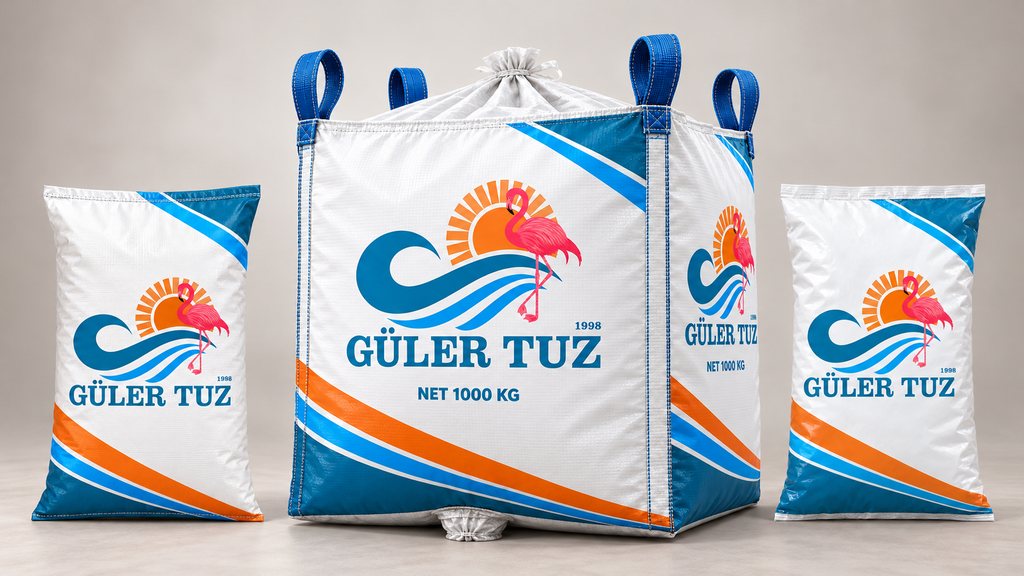
25 kg and 50 kg PP or PE bags and 1000 kg and 1250 kg big bags are assessed according to the product and order conditions. Palletised and stretch-wrapped loading, or bags stacked inside big bags for suitable orders, can be planned on request. A quotation is prepared once the grain grade, iodine preference, estimated tonnage and delivery point are known. See all packaging options →
What to include in your request
- Iodised or non iodised option
- Application (e.g. cheese, pickles, sauces)
- Approximate order quantity and frequency
- Packaging preference
- Delivery location or country
- Documents required
Frequently asked questions
What do grades No. 0, 1, 2, 3 and 4 mean?
They are commercial grain grade names used for oven-dried salt, not millimetre values. Exact sieve ranges are stated in the product analysis.
Can non-iodised oven-dried salt be used in the chemical sector?
It can be considered for some industrial applications. Suitability depends on the product's purity, moisture and the process specification.
Does oven drying guarantee purity?
No. Drying and chemical purity are separate properties, and analysis results are assessed together. For high-purity vacuum salt, see the Refined Salt page.
Should I choose iodised or non-iodised?
It depends on the food you produce, your recipe and the iodine rules of the country you sell to. Product information is shared for both options.